Modern Methods of Construction
Q&A with our founder, Drew Dickson, on our modular project in WA
Q1- You have worked and researched extensively in the modular construction space. What did you see as the main benefit of modular construction for the WA project?
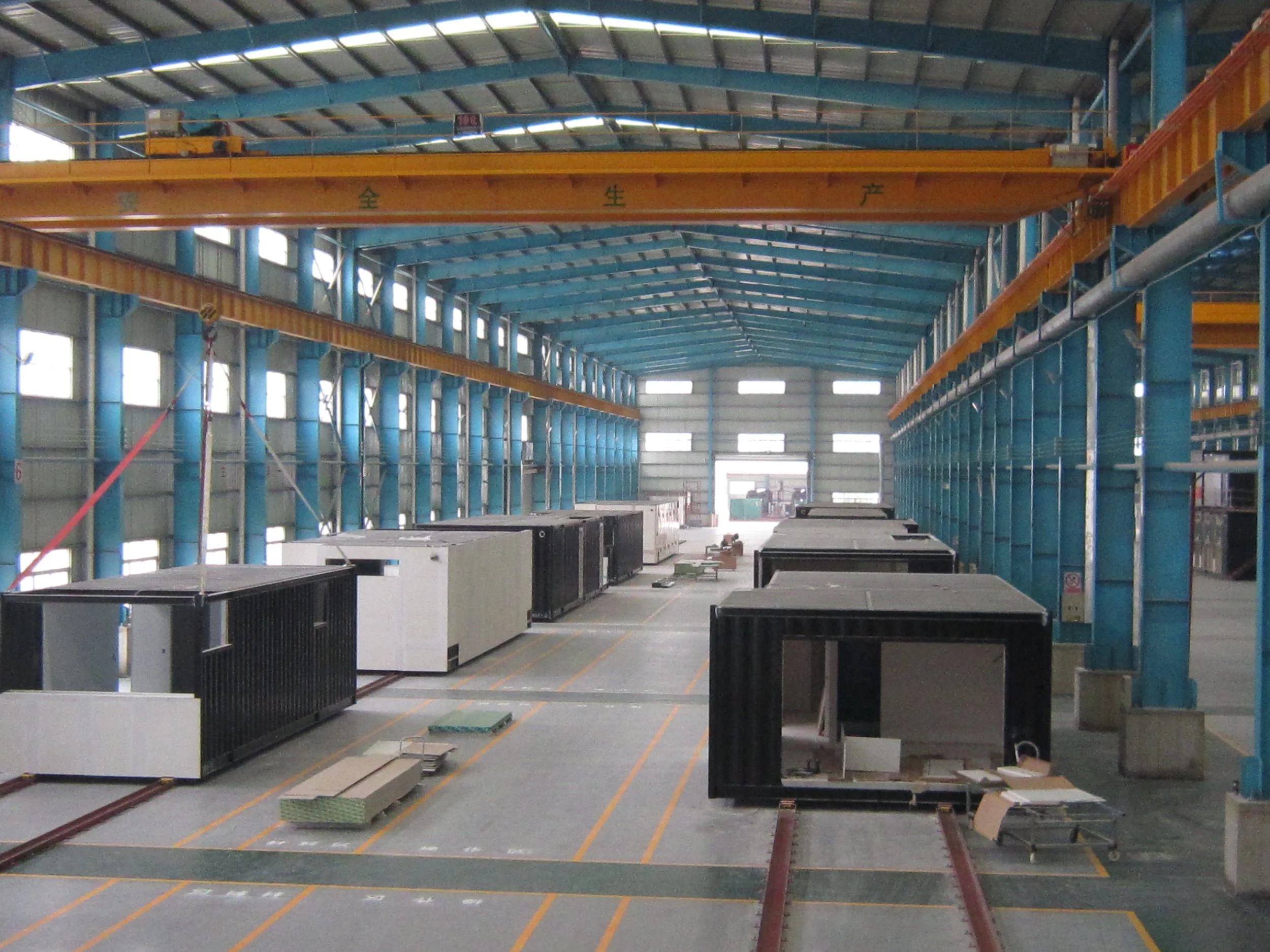
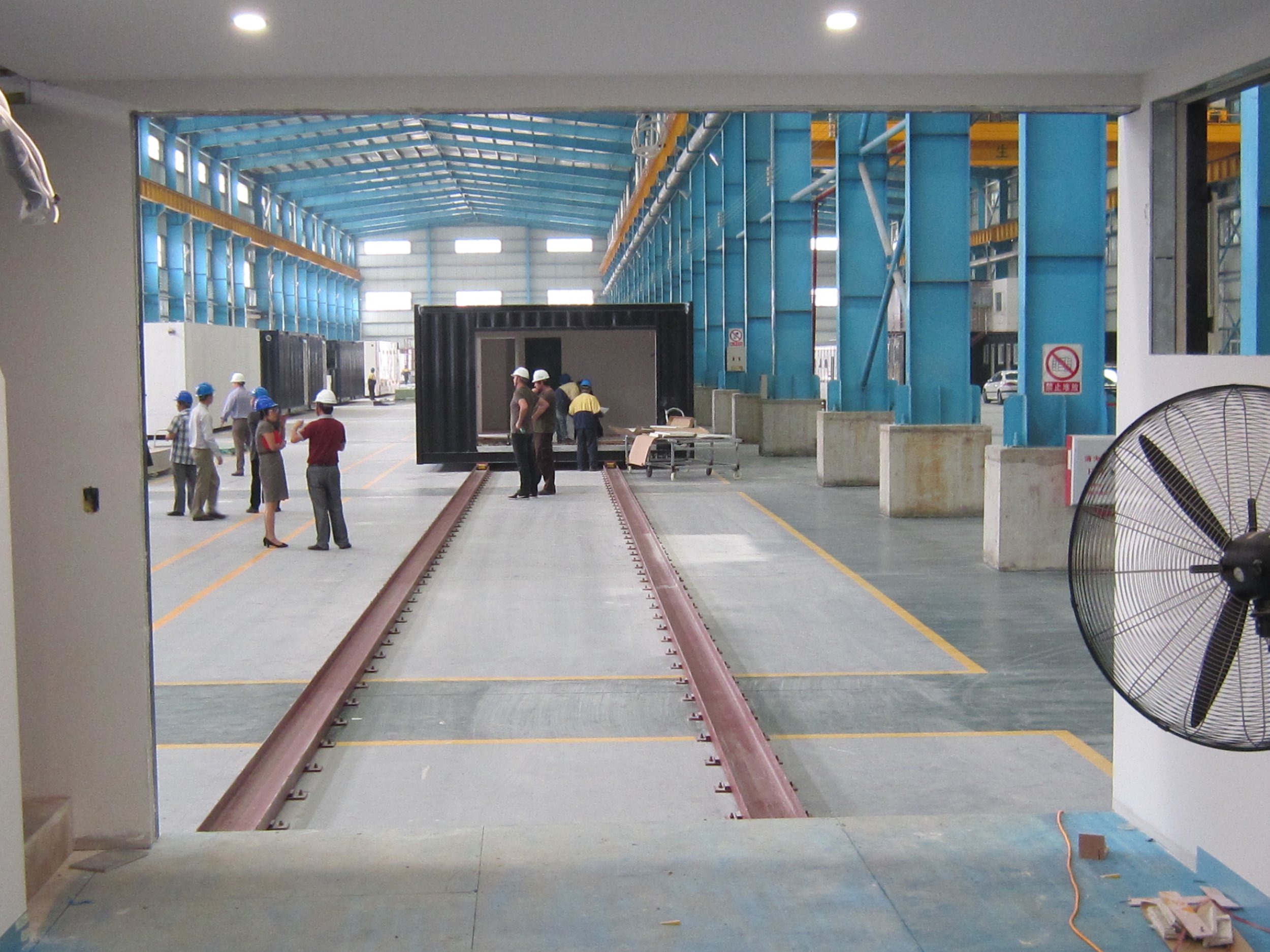
The main benefit was speed of construction, which was reduced by around 50% compared to conventional construction. Conventional construction was used for the basements up to ground floor slab plus bespoke corner elements including entries, vertical transportation, etc. The balance was modular units constructed in China, shipped to Fremantle and transported to the site in Perth. The speed of construction reduced the development cost significantly.
Q2- How was certification dealt with as the modules were being manufactured in China?
A Perth-based PCA was appointed to provide all certifications for the construction of the modules in the factory in China as well as the construction of the finished building in Perth. This involved the PCA undertaking multiple trips to China at key stages of the module assembly. Key trades, such as electrical, hydraulic and mechanical were represented on site by Australian-licenced contractors able to provide the PCA with certification of design and completion of each trade in the factory in China.
Q3- What ultimately led to the client moving away from modular as the delivery method?
The use of modular construction for the project fell over due to contractor risk and contractual arrangements. The head contractor was ultimately responsible for the delivery of the project and with 90% of the construction reliant on the delivery of modules from one supplier based in China. The contractor considered the risk of delays in delivery or the modular company failing (without any reliable legal recourse in the Chinese legal system) was too high. There were also insurmountable contractual obstacles, primarily the time for payment for delivery of the modules. Put simply, the modular company in China could not carry the cost for all the modules until they were delivered to site, and the head contractor could not get finance to pay for the modules until they were physically delivered to site. As a result, the head contractor delivered the project using traditional construction.

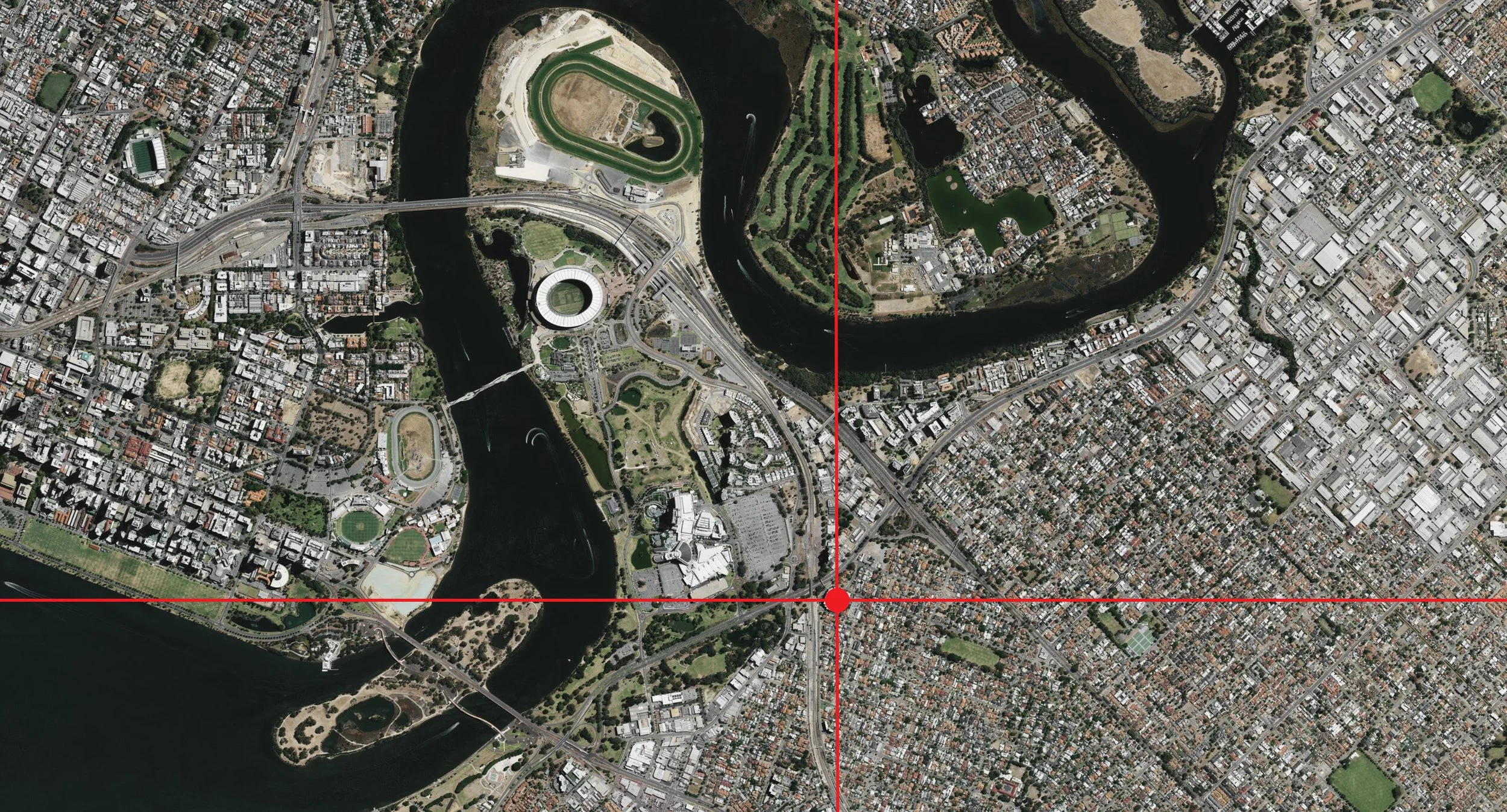
Red Castle Redevelopment, Lathlain Perth WA

Modular typical floor plan
Q4- What was the biggest lesson to come out of this experience?
While modular construction is theoretically a quick and efficient method of project delivery, in practice there are many obstacles to overcome before it will become a mainstream form of construction. The main issues include:
Scale: It is unrealistic to expect an Australian modular manufacturing hub could be established due to the logistical difficulties of transport and the cost off establishing a new industry. Therefore modular use in Australia would be reliant on overseas supply chains with all the risks outlined above.
Transport: Moving large modules from port to site is very costly and complicated – large modules require the transport route to be fully mapped (to avoid low bridges for example), usually require dual police escorts and can only operate in the early hours of the morning.
Certification: Changes to BCA, the role of the Building Commissioner and Design Practitioners, increased requirements for certification at various stages of construction, etc. make it increasingly difficult and costly.
Contracts: Payment contracts, particularly where bank finance is required, is an almost insurmountable problem.
Head Contractor Risk: With the head contractor being responsible for all aspects of the construction, relying on one overseas supplier for the delivery and installation of 90% of the project is unacceptably high risk.
Until these issues are resolved, it is unlikely that large scale modular construction will be adopted in Australia. It is more likely that locally-produced modular components will be viable as a way of reducing construction costs and time.
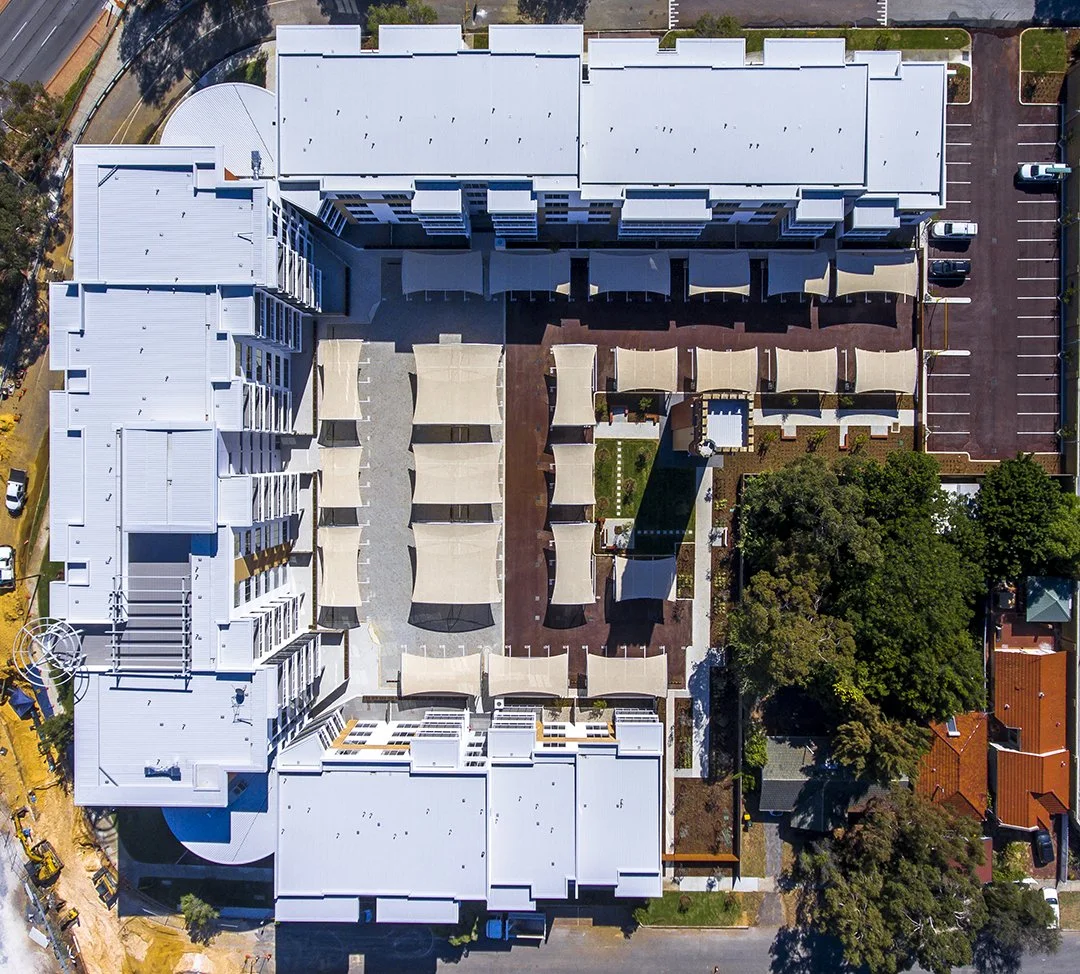
Red Castle Redevelopment, Lathlain Perth WA
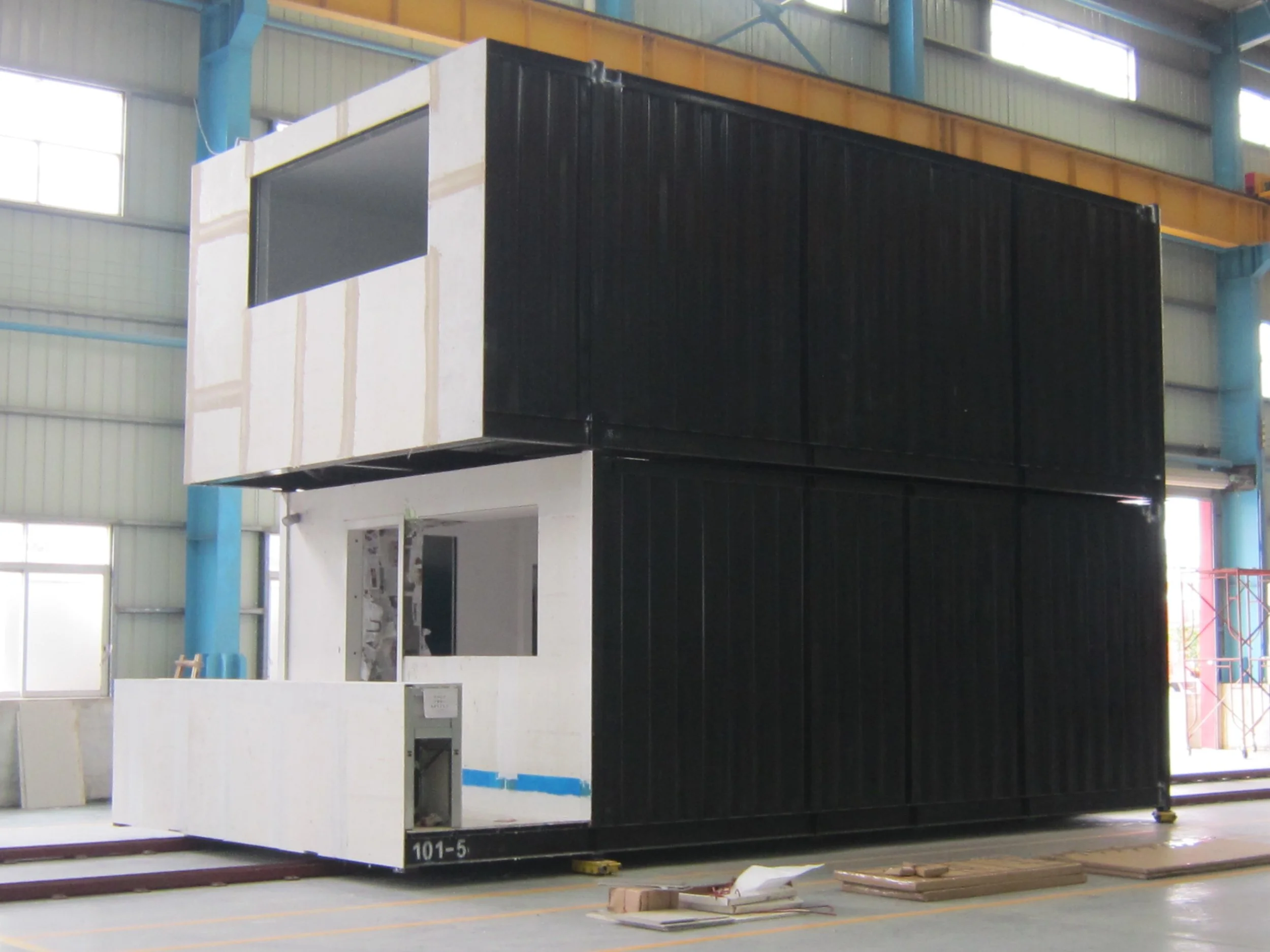
Prototype modules construction